
The Welfare Society Institute (WSI) is a non-profit, non-governmental organisation based in Kaunas, Lithuania, founded in 2017. Our mission is to improve the well-being of individuals and communities through social research, inclusive education, digital empowerment, and innovative training programs.
Our Works
We focus on addressing complex societal issues, especially in the care sector, by developing evidence-based strategies, conducting in-depth research, and providing tailored capacity-building programs. Our activities are rooted in collaboration, inclusivity, and real-world impact.
What Sets Us Apart?
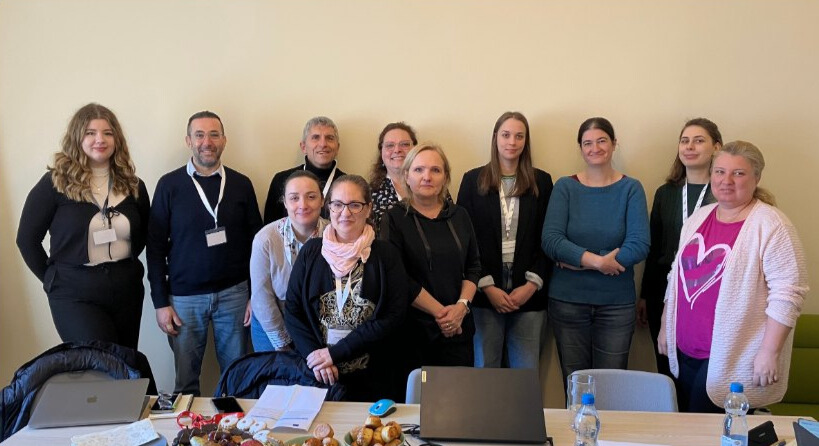
WSI works at the intersection of academia, public policy, and grassroots action. We partner with universities, social institutions, and local communities to design scalable solutions that respond to the real needs of people — particularly those from vulnerable or underserved groups.
Our Focus Areas
Digital Competence & Inclusion: Helping individuals and communities develop the digital skills needed for modern life.
Gender Equality & Social Inclusion: Advocating for marginalized populations and promoting inclusive policies.
Social Care & Welfare: Improving care services and supporting workers through training and research.
Youth & Labor Market Transition: Empowering young people, including NEETs, through education, guidance, and support.
Our Team
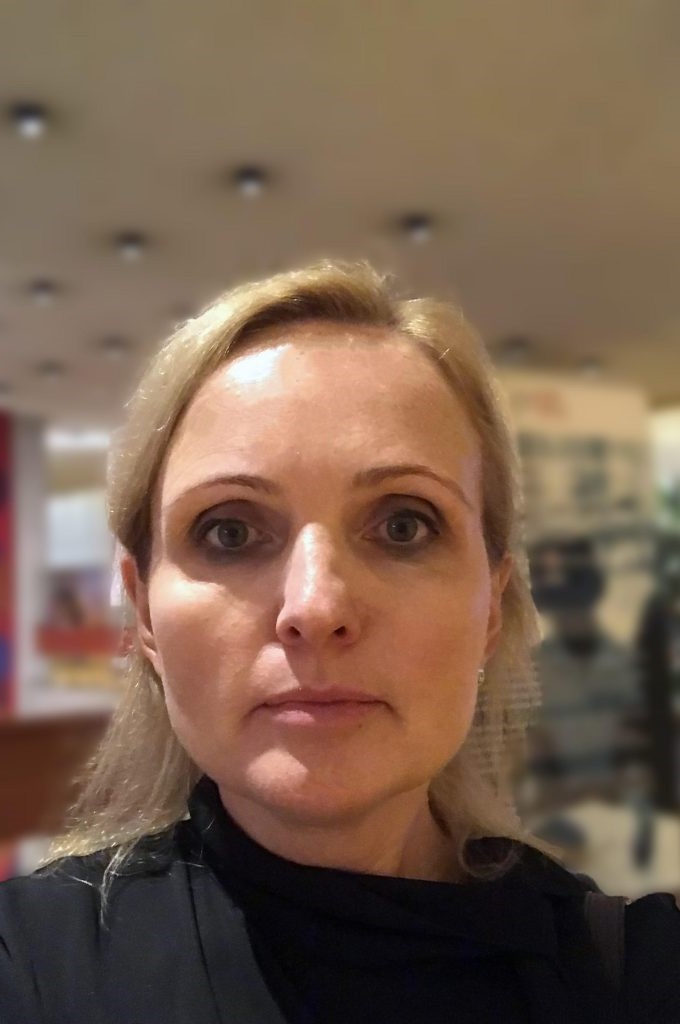
Rūta Brazienė (Director)
Ruta Braziene holds a PhD in Social Sciences (Sociology). She is an Associate Professor at Vilnius University (Lithuania) and a Chief Researcher at the Lithuanian Research Centre, Labour Market Research Institute. She has more than 20 years of scholarly and practical experience with Universities, local Governments and NGOS in Central and Eastern Europe, the United Nations (UN) and the European Commission, more than 8 years of experience in ESF evaluations. Since 2016, she has been a member of the EU Commission experts network SAAGE (Scientific analysis and advice on gender equality in the EU). She is also a full member of the International Network on Leave Policies and Research.
USTINA KRAULEDAITĖ
phd student
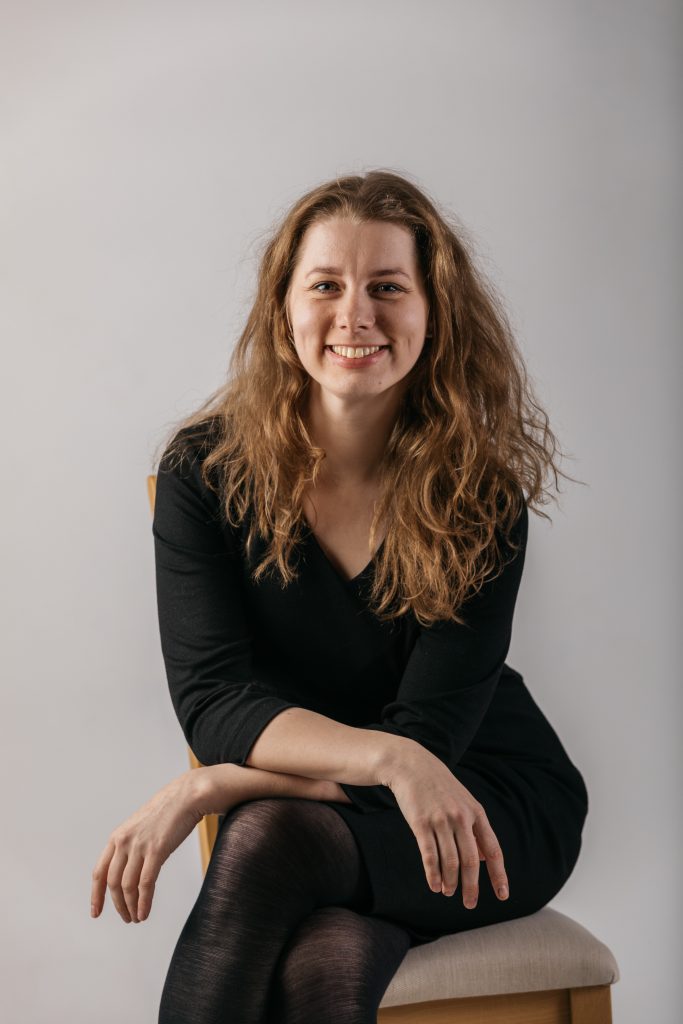
Justina Krauledaitė (Researcher)
Justina Krauledaitė holds an MSc in Sociology. Currently, she is a Phd candidate at the Lithuanian Center for Social Sciences Institute of Sociology. Her academic interests are the Transition of young people from education to the labour market, labour market policy, labour market situation of socially vulnerable NEETS. Since 2014, she has been implementing and coordinating E+, ESC volunteering projects in Italy and the Justice project in Lithuania. She has practical experience in Youth Voluntary Service – the process of accreditation of hosting organisations, ESC application evaluations. Her practical knowledge extends to working in Eurodesk Local Agency since 2015 in Italy and Europe Direct Brescia.
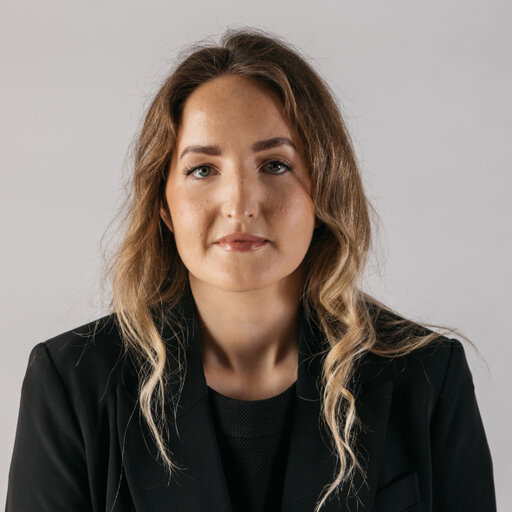
Sonata Vyšniauskienė (Researcher)
She is a sociologist and researcher at the Welfare Society Institute, with a robust academic foundation in social policy and a focused expertise in welfare state dynamics. Currently pursuing a PhD in Sociology, her doctoral research critically examines the intersections of paid parental leave, gender equality, family policy, and labour market structures in Lithuania. She is an active member of the COST Action CA18213 “Rural NEET Youth Network,” where she collaborates with international peers to foster inclusive, context-sensitive policy frameworks for socially and economically marginalised youth in rural areas. Through her research and advocacy, she contributes to shaping more equitable and sustainable welfare policies at both national and European levels.

Suat Aksu (Communication Coordinator)
He is a sociologist with an MSc in Sociology of Education and a current PhD candidate at the Lithuanian Centre for Social Sciences, Institute of Sociology. His research is positioned within the field of social sciences and employs qualitative methodologies—including in-depth interviews, thematic analysis, and systematic literature reviews—to explore the socio-educational implications of digitalisation. With extensive experience in both formal and non-formal education, Suat has worked as a trainer, educator, and mentor for over 7 years in different locations, especially in Lithuania, Turkiye, Poland and Germany. Through his experience on media activities, he is responsible for communication at the organization.
 Welfare Society Institute